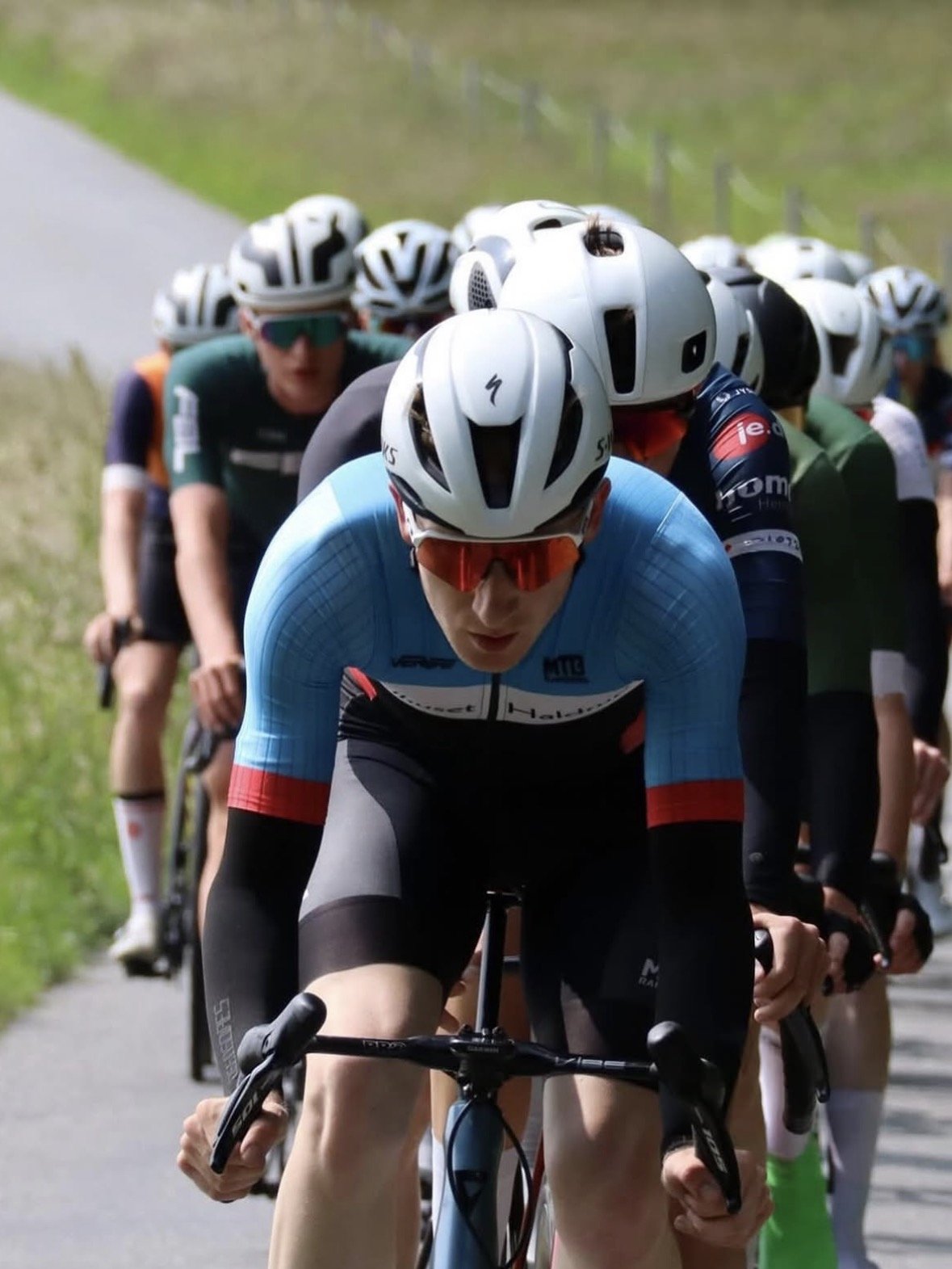
ARE YOU RACING IN THE GULF THIS YEAR? THIS IS FOR YOU
I’ve coached World Tour riders for over 10 years including GC wins at the Saudi Tour and Al Salaam Championships.
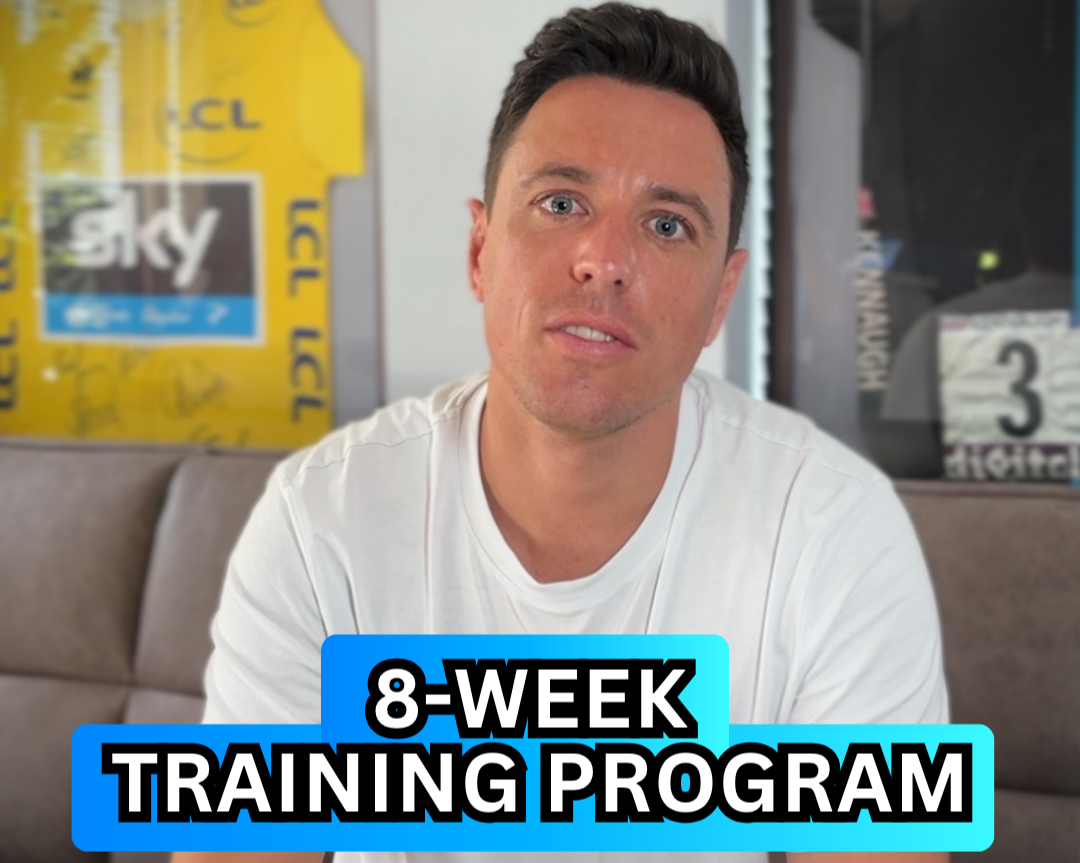
This is for you if
You train roughly 6–10 hours a week and are based in the Gulf region.
You are targeting races.
You want a structured plan that respects real recovery needs, not one built for someone training full-time.
You have a reasonably established aerobic base and are comfortable riding with a power meter.
You can apply directly to your TrainingPeaks calendar.
But this is not a beginner's plan. It assumes you can already ride consistently and are familiar with structured intervals.
Example Week
-
Rest/ Recovery
-
VO2max Intervals (30/30s & 30/15s)
What it is: Repeated short, hard efforts (30 seconds hard, 30 or 15 seconds easy), building in density and duration across the block.
Why it's here: This session targets your aerobic ceiling — your VO2max. High-density interval formats like 30/30s allow you to accumulate significantly more time at or near VO2max than a single sustained effort would, because the short recoveries let you keep coming back to a high intensity without fully breaking down. This is the session most responsible for raising the ceiling your FTP sits underneath.
-
Rest/ Recovery
-
Z3 Intervals: Sustained, Progressing to Spiked
What it is: Starts the block as longer sustained intervals (15–25 minutes) in the upper Zone 3 / tempo range, just below threshold. As the block progresses, this evolves into "spiked" Z3 sessions — sustained Z3 riding with repeated harder surges layered on top, rather than one flat effort.
Why it's here: The early sustained Z3 work builds your ability to hold a hard-but-sustainable effort for extended periods — directly relevant to time-trialling, sustained efforts, and holding a group at pace. The progression to spiked Z3 later in the block adds a layer most static tempo work misses: real racing and group riding rarely stays flat. Being able to absorb a surge, hold it, and settle back into pace without blowing up is a distinct skill from just holding steady tempo, this is what the spiked sessions are training.
-
Rest/ Recovery
-
Endurance: Torque-Focused, Progressing to Sprint-Focused
What it is: Starts the block as longer aerobic endurance rides built around seated torque work — low cadence, high force efforts within an aerobic ride. As the block progresses, this evolves into endurance rides with repeated neuromuscular sprints layered in instead.
Why it's here: The early torque-focused endurance sessions build aerobic base, fat-oxidation capacity, and low-cadence strength, the foundational "engine" work everything else sits on top of. Once that base is established, the sessions shift to layering in maximal sprints within an endurance ride, maintaining & developing top-end power and rapid force production, which doesn't get trained by steady-state or threshold work and tends to erode without regular exposure. The sequencing matters: strength / torque work first, sharpness on top of it second.
-
Unstructured Group Ride
What it is: A longer, unstructured ride — social or group-based, without fixed intervals.
Why it's here: This accumulates aerobic volume in a lower-stress, more sustainable way, and reflects how most riders actually get their longest ride of the week in real life.
The key coaching note here: discipline matters more than fitness on this ride. Going into the red chasing group dynamics undermines the quality of Tuesday's session just two days later — this is deliberately the easiest session to get wrong.
-
Thursday and Saturday sessions aren't static week to week — they progress in structure as the block goes on (see Section 3 for detail). Tuesday's VO2max work and Sunday's group ride follow the same format throughout, with volume/duration increasing. description
Wondering where to go next?
Trusted by busy professionals, racers and other coaches
Hamish MacLaren, sports science student and racer
5-minute power: +56W in 53 days
Beat his own personal best by 13% in under two months.
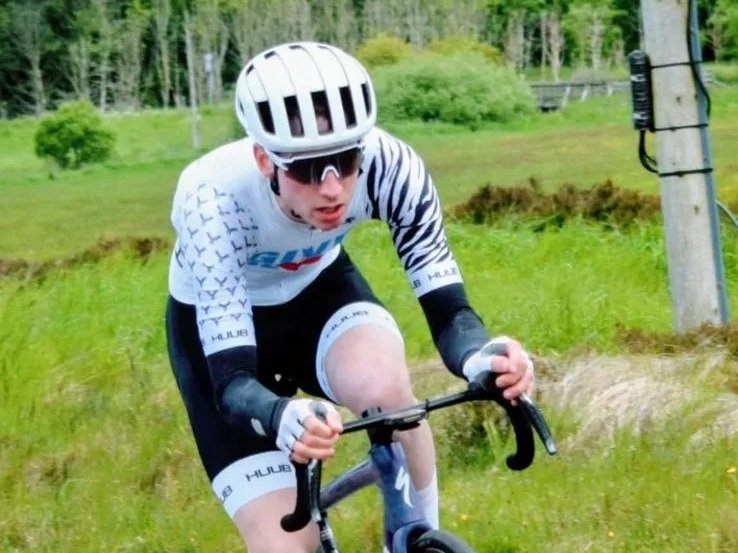
Michael Murphy, business owner and dad, mid-40s
20-minute power: 222W → 302W
Back on the bike after 20+ years. Six months later, he rode the classic Tour de France climbs.
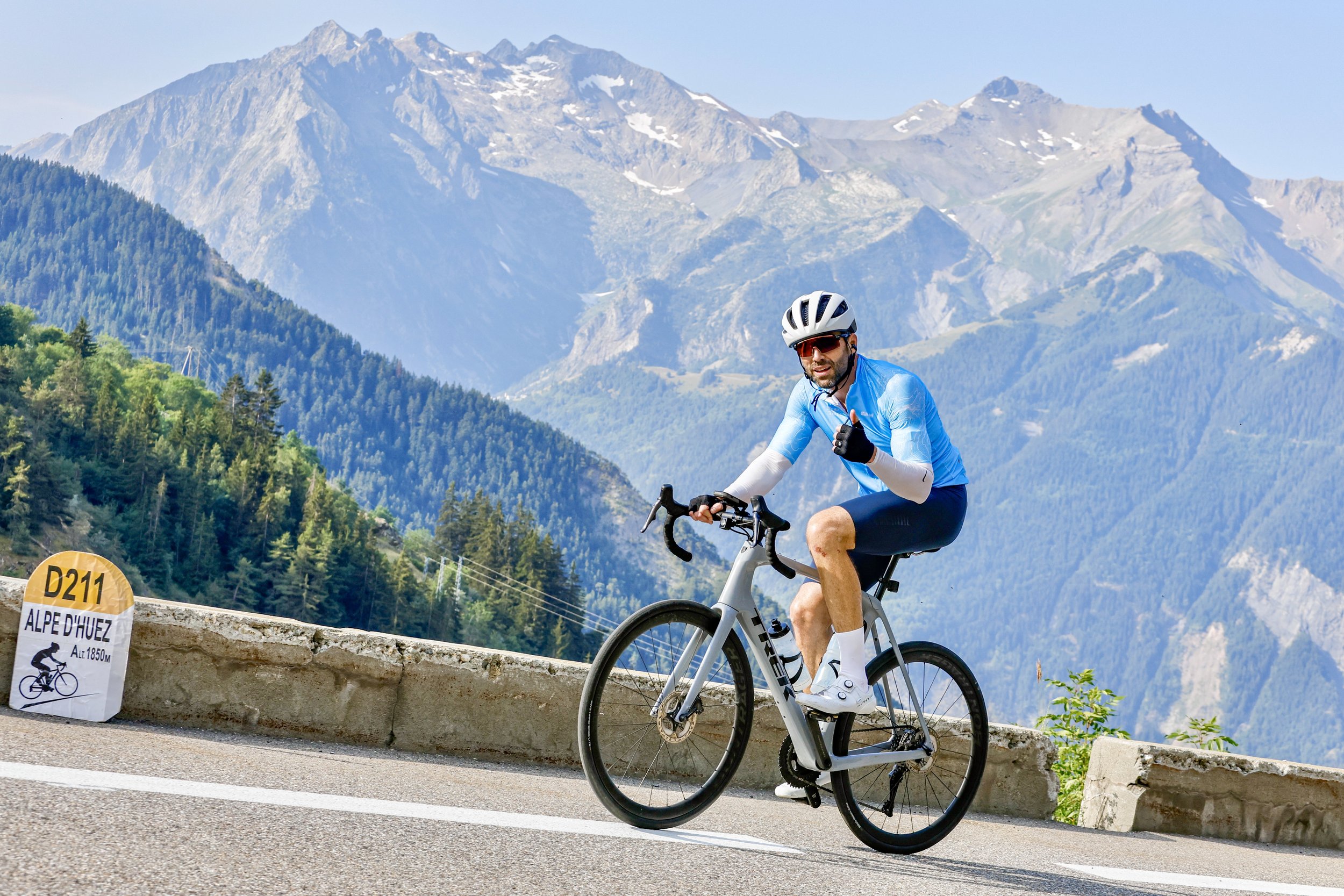
Rune Herkert, full time job and amateur cyclist.
10-minute power: 361W → 412W
Training mostly indoors, alongside a full-time job.