
Comparison between Sports Director and Coach roles in pro cycling
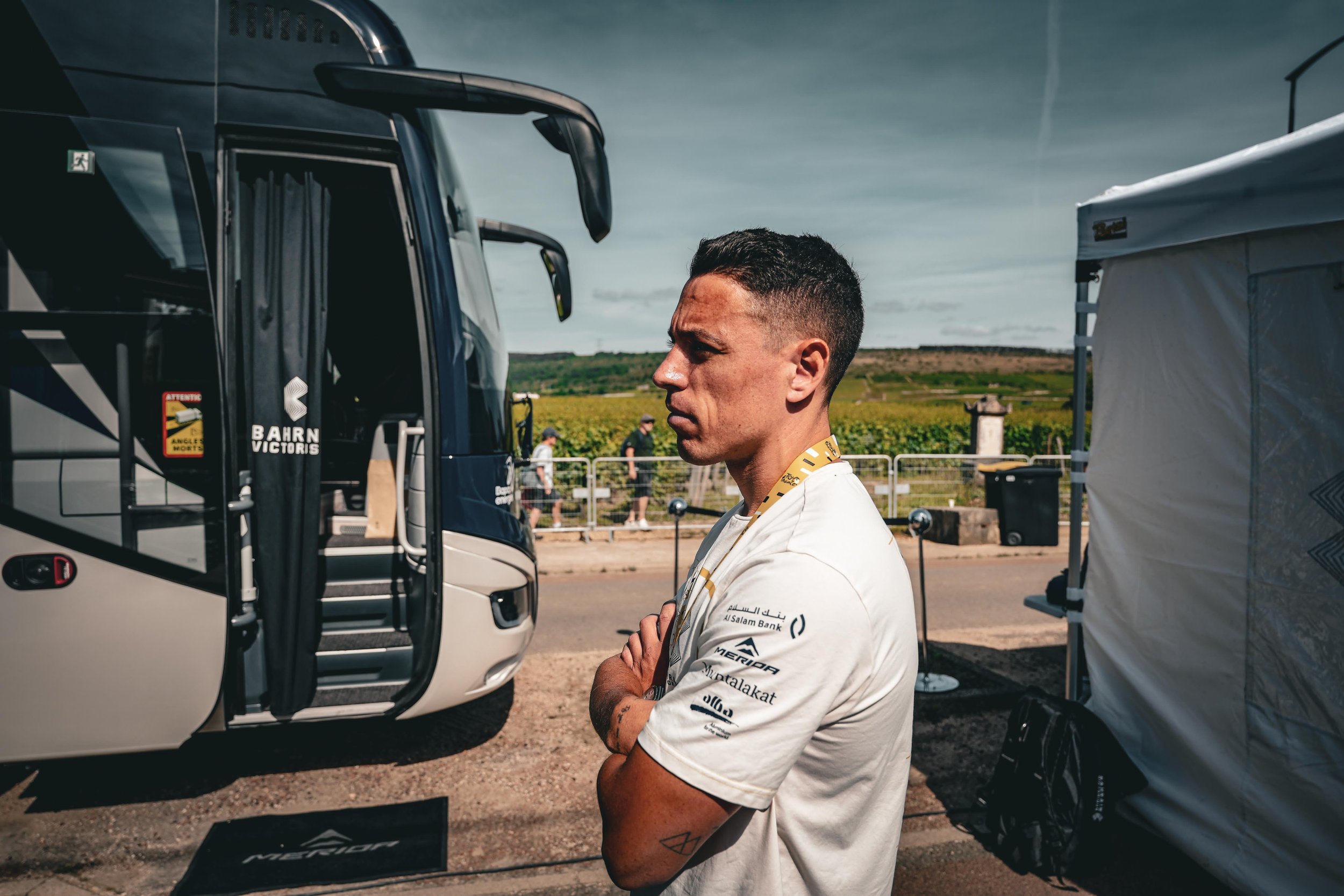
I spent last week in a team car at the Giro Next Gen. This week I'm back coaching. The contrast got me thinking.
I just got back from the Giro Next Gen with EF Education-Aevolo where I was the lead Sports Director. My second race with the team.
I love being around the riders. You get to know them more each day, their abilities, their limits, how they respond to pressure, what they don't say but you can see. But it got me thinking about the difference between a DS role and a coaching role, where my own passion sits and more specifically how we deploy human resource in professional cycling and whether we're getting it right.
As a DS at a race, especially at U23 level, the job is heavily day to day planning. Logistics, stage presentations, problem-solving before and after the race. Then you spend most of the day in the team car. A DS at a 7-day stage race might spend 35+ hours in that car or bus over the week, a full working week, moving through mountain passes, sometimes only seeing the back of the peloton depending on which car in the convoy you are.
The riders do their best, you debrief, you look for improvements for the next day, but you can't change much. A rider's performance on a mountain stage is already determined by the months and years of training that preceded it. Your job at the race is to create the conditions where they can express that performance to the maximum. Key information, tactical calls, nutrition reminders, cooling strategy, keeping them focused and motivated at the moments that matter.
A DS cannot make a rider produce more power. That was already decided. What he can do is understand the race and rider well enough to get the best out of what is already there. And that understanding doesn't come from turning up on race day. It comes from time invested before the race, visiting a new signing at his house in the off season, on camps, on calls, following a rider through a race block, understanding how they think, how they respond to pressure, how they like to receive information or communicate when it matters. Plus recon. This is in a perfect world, often we don't have enough budget/resources to be perfect, so we prioritise.
Today I got home and spent the afternoon on video calls catching up with athletes I coach. Looking at data. Planning the second half of their seasons.
One conversation was about how to improve a rider's 5 minute power. How many VO2 sessions per cycle, where to place them, how much endurance, whether the heat training stimulus is helping or hindering, what does the science say and how does that look in practice. LT1 is high, anaerobic power is high, but LT2 is sitting too close to LT1 and 5 minute power is the limiting factor in races. These are the questions I find interesting, and you can't answer them well from the back seat of a team car, or at 9pm in a hotel after spending 10 hours driving a recon car for 21 days.
But beyond the data, it was the face to face conversation itself. Sitting across from a rider, on a video call or in person and listening to their feedback, understanding their ambitions, hearing what's frustrating them and what they're chasing. That's when you feel the responsibility. You are part of this person's journey to reach their full potential. That feels very different to sitting on TrainingPeaks trying to move someone's FTP. The human connection is what makes it real. The problems feel more urgent. The answers feel more important.
And that's where I think professional cycling is often in my experience misallocating a valuable resource.
A coach being paid to deliver a world class training and performance program but spending 120 days a year on the road at Grand Tours and altitude camps is not in the conditions to do that job well. Three weeks at an altitude camp driving six hours a day, or driving the recon car in front of the race at a grand tour and getting back to the hotel at 8pm, that's not the environment where you solve complex physiological problems, review training data, or communicate effectively with other athletes or staff who are not present. The cognitive load of travel, driving, disrupted sleep and stress consumes the exact mental energy the job requires.
I am not saying the coach should stay at home behind a computer 365 days a year. Personal contact is important, being physically present with riders at key moments in the season has real value. But it should be selective. The question should always be: where does this person add the most value?
Sometimes that's on the road. Sometimes it isn't.
I think the answer for both DS and coach roles is a hybrid model, but one that's clearly defined around where each person creates the most value.
The coach's highest value is building programs, analysing data, communicating across a support team, having conversations about what is and isn't working. For me personally I focus best between 9am and 3pm. That is when I do my best work.
The DS's highest value is knowing the route, the rivals, knowing the rider as a human being, how they think, how they respond under pressure, being able to manage a group of people both riders and staff in a high pressure environment.
That knowledge has to be built before the race. 140 race days a year with different riders coming and going, sometimes working with athletes you've barely spoken to. Ideally a DS should spend time with riders on camps, follow them through race programs before key events, build the kind of understanding that means when you speak to them in the car on the hardest day of the race, they trust you and you know exactly what they need to hear.
If the coach's job is to support the rider, giving them the best chance of arriving at the goal race capable of the best physical output and the DS's job is to manage the rider through the race itself, both roles are demanding and both start long before race day.
Are we getting this right?